

Your home. Your claim. Your number.
Your Advocate When You Disagree With Your Insurance Settlement
If your insurance company's payout won't cover the real cost of repairs, your policy gives you a way to push back: the appraisal clause. We serve as your independent appraiser — a third party who determines whether repairs are necessary and what they should actually cost.
Independent. Objective. Every number we produce is documented, defensible, and built on the evidence.
What we do
Insurance claim appraisals for homeowners
When you and your insurance company disagree about the cost of repairing your home, your policy already gives you a way to resolve it: the appraisal clause. We serve as your independent appraiser in that process — documenting the damage, reviewing every line of the estimate, and defending the number your home actually needs.
How the appraisal clause works
The settlement doesn't add up
A storm damages your home. The insurance company sends an estimate that won't come close to covering the real repair bills. Your contractors' quotes tell a different story — and you don't have to simply accept theirs. The disagreement itself gives you a right your policy already contains.
You invoke the appraisal clause
Invoking appraisal triggers a formal process: each side appoints an independent appraiser. We inspect the damage, document everything in writing and in photos, and review the scope and estimate line by line. Where the damage supports more, it's included. Where a number exceeds what's needed, it's corrected.
A binding award — based on proof
The appraisers — or an umpire, if they disagree — set a final, binding amount. The result is a clear path to complete repairs, built on verified scope and market rates rather than the first number on the table. Transparent, documented, and decided on the evidence.
What we do for you
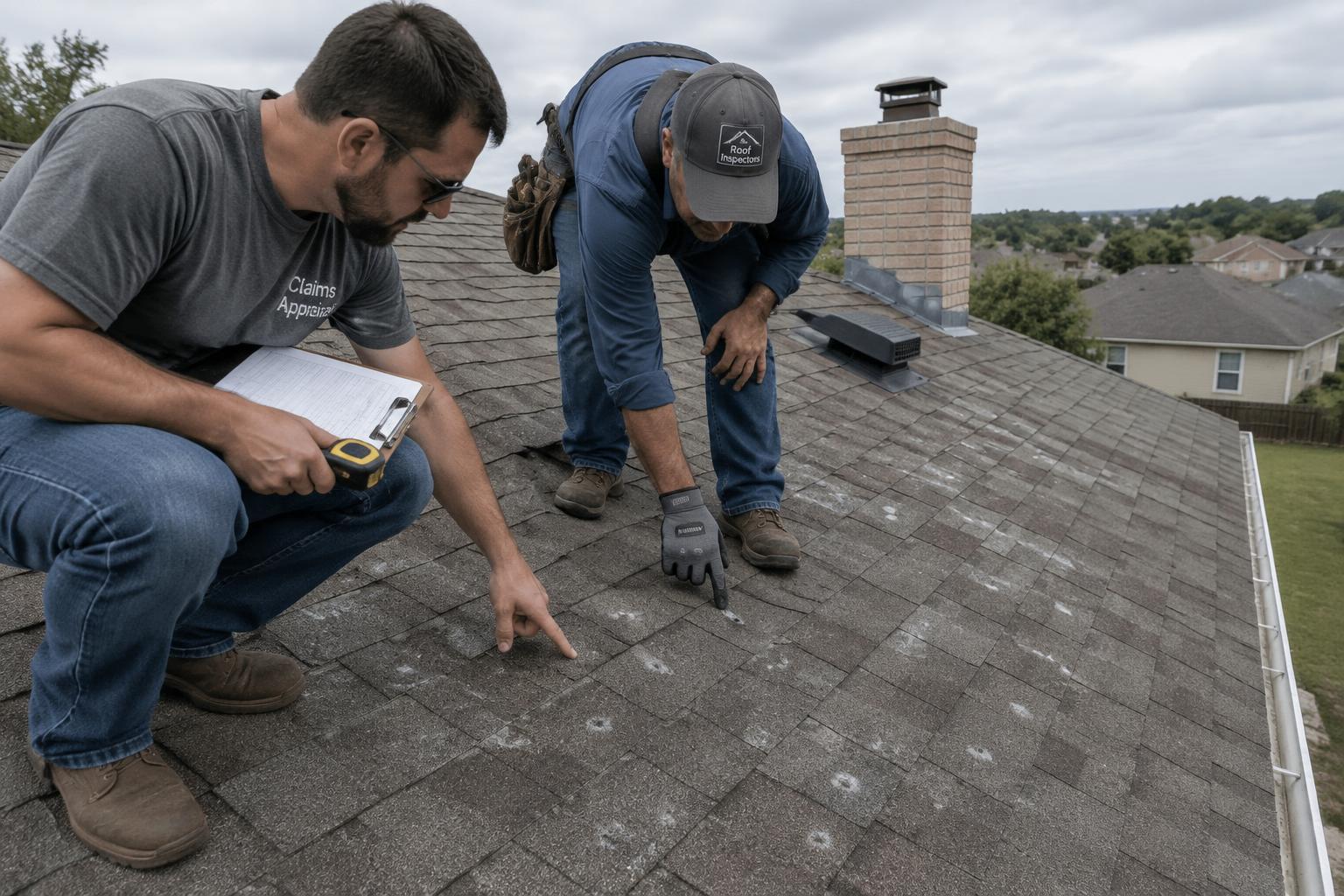
Appraisal Clause Representation
When you invoke appraisal, we act as your appointed appraiser: joint inspection, documented damage, and a defended line-item valuation of your loss. Not a rubber stamp — the number the file supports.
See how we work appraisal files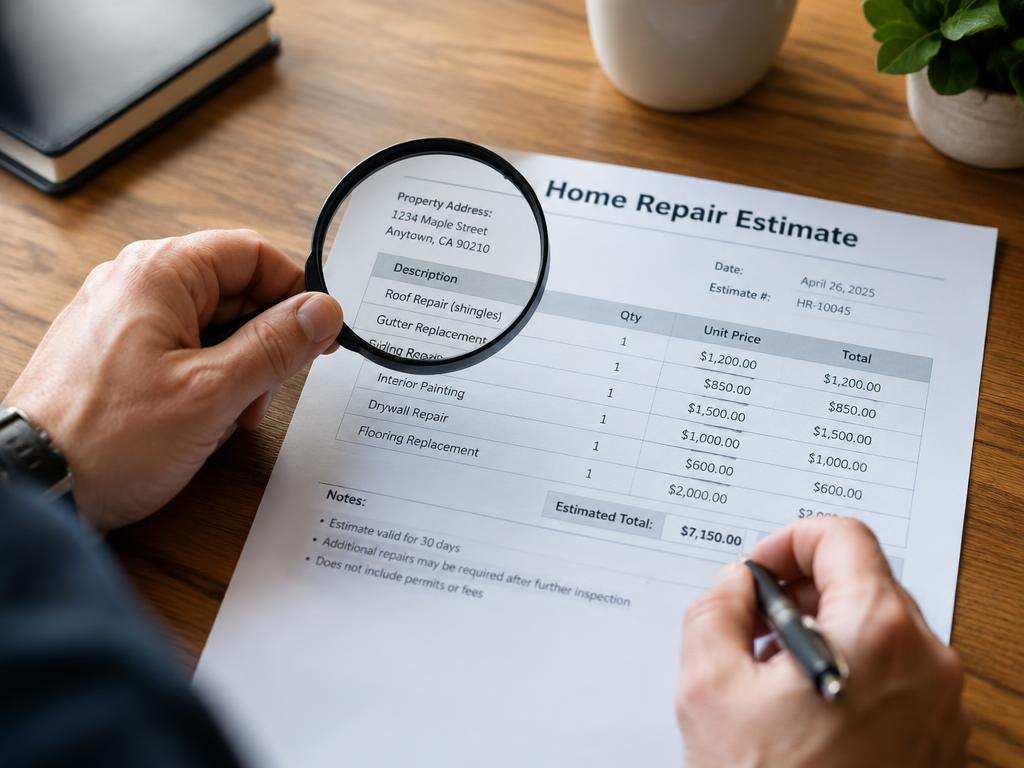
Estimate & Scope Review
A third-party review of your carrier's settlement: are the repairs necessary, is the scope complete, and are the prices market-accurate? You get the findings in writing, line by line.
How we review estimates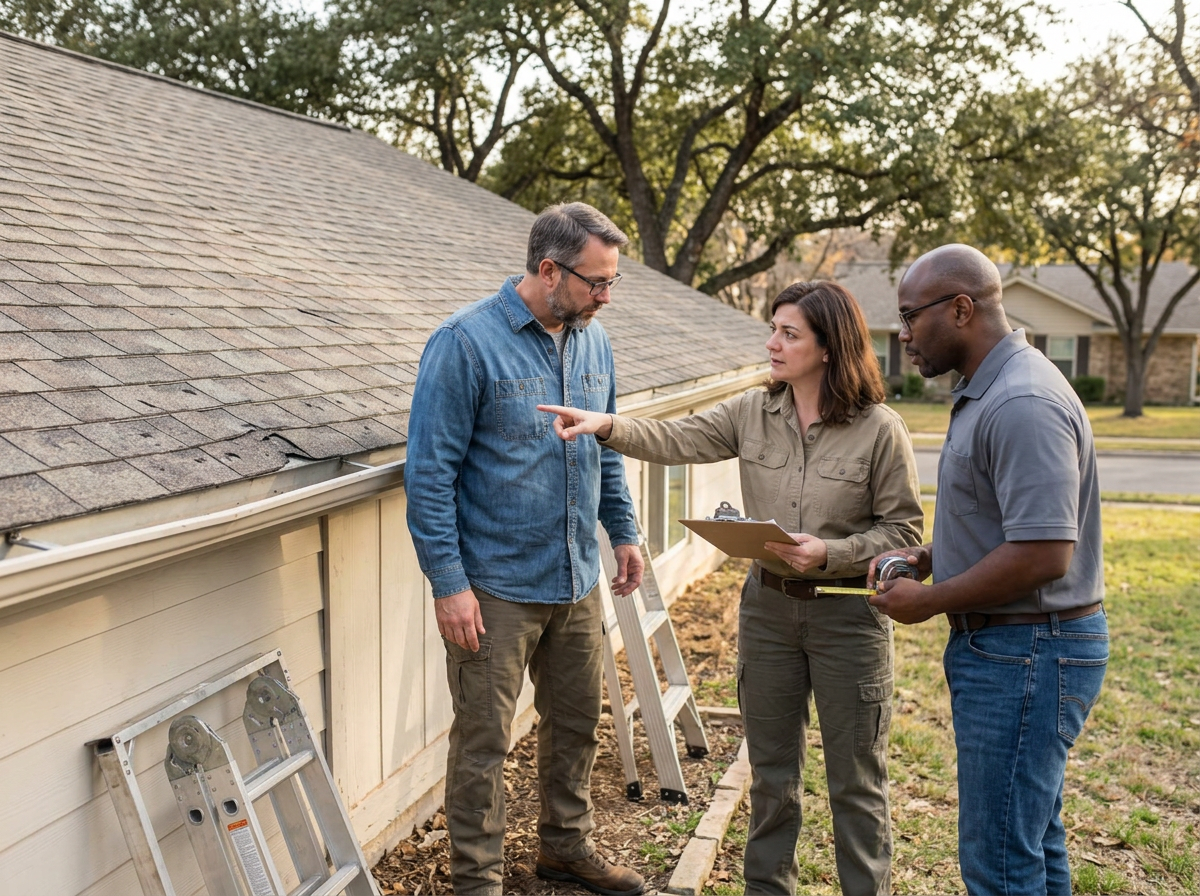
Umpire & Neutral Services
When the two appraisers can't agree, a neutral umpire decides. We serve as a qualified umpire — and support the process with the documentation and photo evidence a fair award depends on.
About the umpire process
From Award to Repairs
A binding award is only the win when the repairs actually happen. We help you carry the award into contractor bids and repairs, so the number becomes a restored home.
How we see claims throughComplete honesty and transparency
Our Promise
We deliver strictly objective, fact-based valuations. We never guess or speculate; we uncover and defend the true cost of returning your home to pre-loss condition.
- Independent & objective — every conclusion is supported by documented evidence
- Full reports: scope, methodology, photo documentation, and the math
- Line-by-line review of the estimate and repair scope on every file
- Impartial by design — the same standards and methodology, whichever party appoints us
We go beyond the basics
Plenty of files get a one-page number and a signature. We hold every file to a written standard — the same one on every loss, whether we're appointed by a homeowner, an insurance company, or serving as a neutral umpire.
Every file includes
- Photo documentation of every item of damage
- Line-by-line review of the estimate and scope
- A written report with the methodology and the math
- Proactive follow-up until the file is resolved
We start with the policy, not the price
Before anything else, we read your policy — the coverage, the appraisal clause, and what Texas rules require. Every position we take has to stand on what the contract actually allows.
Inspect and document everything
We walk the loss with you — measurements, photos, and notes on every item of damage. If it isn't documented, it doesn't belong in the number.
Review the scope and pricing, line by line
Is each repair necessary? Is the scope complete? Do the prices match real market rates for your area? We answer those questions in writing, item by item.
Build a number we can defend
Our valuation comes with the math attached. Every figure traces back to a photo, a measurement, or a documented rate — so it holds up in front of any appraiser or umpire.
Stay with the file to the award
Appraisals move on follow-up. We keep the file active — responses, requests, conferences with the other side — until a binding award is signed and your repairs can begin.
Why IHA
An appraisal shouldn't depend on who the appraiser works for
An appraisal is only as good as the independence behind it. We built IHA around that principle: documented evidence, transparent methodology, and a number we can defend line by line — whether we're appointed by a homeowner, an insurance company, or serving as a neutral umpire.
- Independent and objective — our findings follow the evidence, not the party that appointed us
- Full written reports, not a one-page statement of payment
- Deep knowledge of Texas policies and the appraisal clause
- Line-by-line defense of every number we produce
Serving Texas homeowners
Based in the Dallas–Fort Worth Metroplex, serving homeowners across DFW and extending to Houston, Austin, and San Antonio. Storm damage doesn't respect city limits — if you're in Texas and disagree with your settlement, talk to us.
Common questions
Straight answers, before you commit
What is the appraisal clause?+
It's a provision in most homeowner policies that gives you a formal way to resolve a disagreement over the amount of a loss. Each party appoints an independent appraiser; the appraisers try to agree on the figure, and if they can't, a neutral umpire decides. The result is binding — no lawsuit required.
Will invoking appraisal hurt my relationship with my insurer?+
The appraisal clause is part of your contract — the insurer wrote it into your policy. Invoking it is a normal, documented procedure, not an act of hostility. It resolves the amount of the claim so everyone can move on to repairs.
What does an appraisal cost, and who pays?+
Each side pays its own appraiser, and the umpire's fee is typically split. Your appraisal clause and Texas Department of Insurance rules govern the specifics. We'll walk you through the expected costs up front, in writing, before you commit to anything.
How long does the process take?+
It depends on the size of the loss and how far apart the parties are, but many appraisals resolve in weeks, not months. We keep the file moving with proactive follow-up — momentum is one of our core values.
Do you act as a public adjuster or handle my whole claim?+
No. We serve as your appraiser under the policy's appraisal clause — determining whether repairs are necessary and what they should cost. We don't file claims for you, negotiate as a public adjuster, or provide legal advice. If your situation needs those, we'll tell you plainly.
Request an appraisal
Start your appraisal request
Tell us about your claim and we'll review it personally. You'll hear back from IHA — not a call center — about whether the appraisal clause is the right move for your file.
Free case review
Disagree with your settlement amount?
Send us your claim. We'll review the carrier's estimate, tell you plainly whether the appraisal clause is worth invoking, and what it would take to pursue the number your home actually needs.
Based in the Dallas–Fort Worth Metroplex, serving homeowners across DFW and extending to Houston, Austin, and San Antonio.